
Oil free compressors are better when your process cannot tolerate oil contamination, when audits require documented air purity, or when the long term cost of managing oil carryover becomes too high. They are not automatically better for every factory, though. If compressed air never touches product and your site has strong filtration and maintenance discipline, an oil injected compressor can still be the most economical choice.
The best decision comes from matching compressor technology to your air quality target, pressure range, duty cycle, and risk tolerance, then designing the full compressed air system around those needs.
Oil free compressed air is often the safer option for industries where air can contact products directly or indirectly. Think pharmaceuticals, food and beverage, electronics, medical manufacturing, and other cleanliness driven operations. Even small amounts of oil aerosol or vapor can lead to rejects, odors, process instability, or compliance issues. Oil free designs can also reduce downstream surprises. Oil injected systems can run well, but they usually depend on oil separation and more complex filtration to control carryover. Over time, oil can contribute to sticky valves, loaded filters, pressure drop, and troubleshooting cycles that are hard to pin down. When plants look at total cost of ownership, the quality risk and downtime cost can make oil free the better long term choice.
Oil free may be unnecessary if your application is not air purity sensitive, such as general shop air or tools where compressed air does not interact with product. In these situations, an oil injected compressor with the right filtration can meet performance needs at a lower purchase cost. Also, oil free does not mean problem free air. Moisture, particles, and rust can still compromise air quality. If the dryer is undersized, drains are not maintained, or piping is poorly designed, you can still face contamination issues even with an oil free air end. In harsh environments such as hot compressor rooms, dusty air, or unstable power, installation quality and maintenance habits can matter more than compressor category.
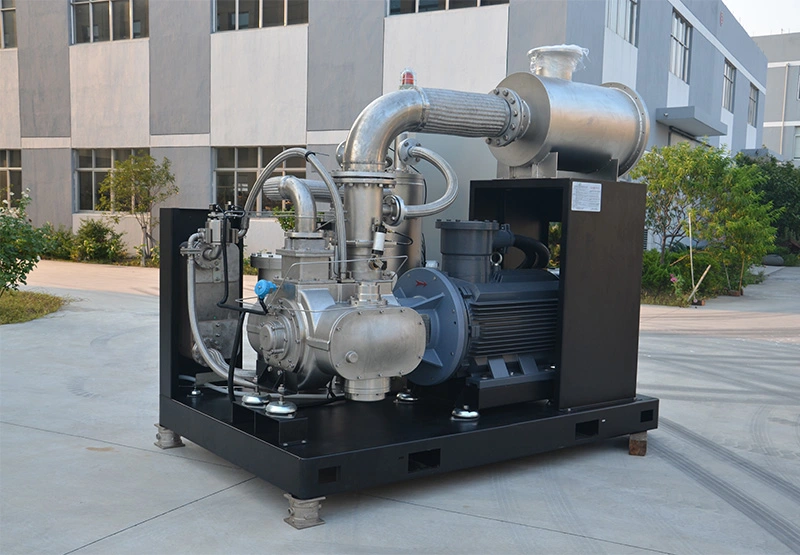
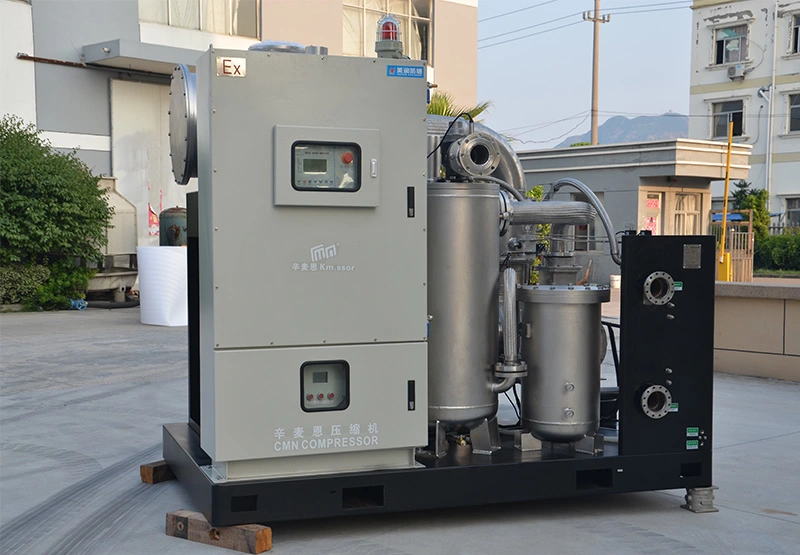
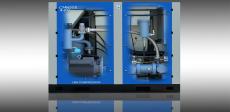
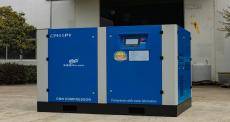
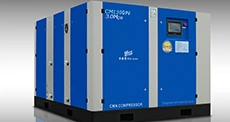
Not all oil free solutions are built the same. Some dry type oil free designs rely on seals to keep lubricants away from the compression chamber. Other designs avoid lubricating oil in the machine entirely. The entire series of CMN oil free air compressors is certified by TÜV Rheinland in Germany as oil free, aligned with Class requirements. Unlike traditional dry type oil free air compressors that rely on seals to prevent oil from coming into contact with air, CMN oil free air compressors for sale do not contain any lubricating oil in the entire machine, helping support consistently clean compressed air for critical applications. As an oil free compressor manufacturer and supplier, CMN also adopts a permanent magnet variable frequency motor to improve efficiency across changing load conditions. When comparing oil free compressor manufacturers, ask for proof and practical details, not only brochures. What air quality class is targeted and how is it verified
What after treatment is recommended for your climate and process
What are the key service intervals for the air end and wear parts
How does performance look at your actual operating pressure and flow
How will energy consumption be controlled at partial load
If you are sourcing an oil free compressor China solution for export or multi site use, also consider commissioning support, parts availability, and whether the supplier can help standardize system layouts.
Industries with strict contamination control often benefit most, including pharmaceuticals, food and beverage, electronics, and medical manufacturing. Oil free reduces the risk of oil carryover, but dryers and filters still matter for moisture and particle control.
Sometimes. Oil free can reduce oil related consumables and the downstream cost of managing oil contamination. However, the best answer comes from comparing total cost of ownership at your real operating point, including energy price, duty cycle, maintenance plan, and downtime cost.
Not necessarily. The term "oil-free" is often used as a general descriptor, whereas an ISO 8573 purity Class represents a quantifiable air quality specification that must be validated by authoritative testing and third-party certification. Ask for certification or test documentation and confirm the test conditions.
 sales@cmncompressor.com
  +86-15325678508
 English