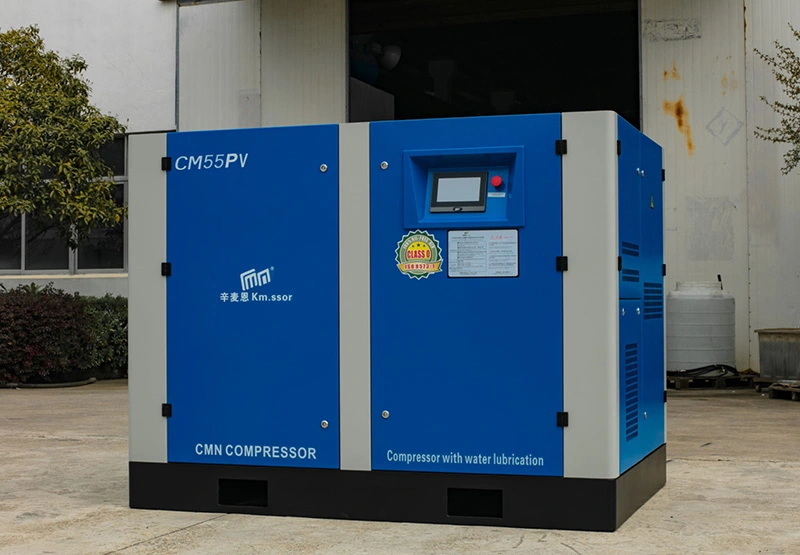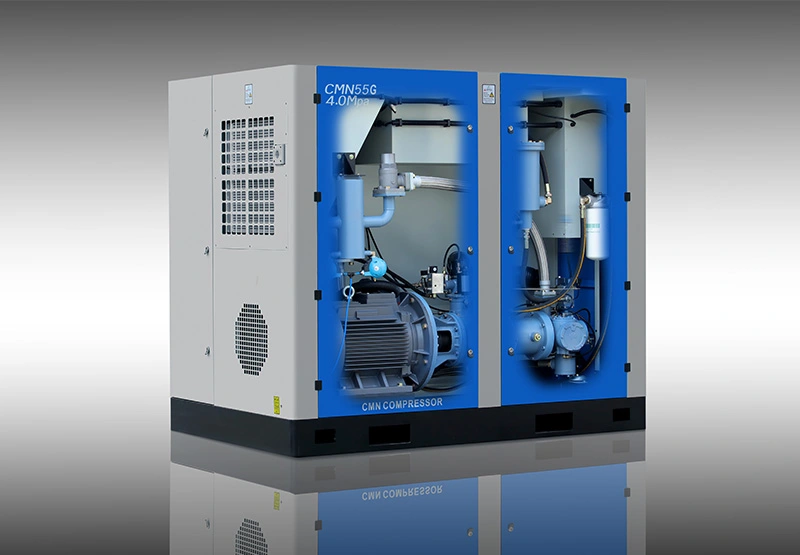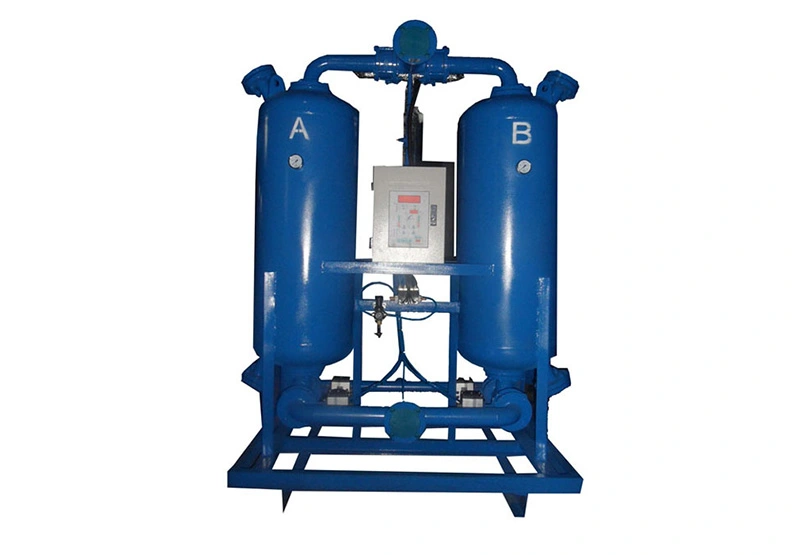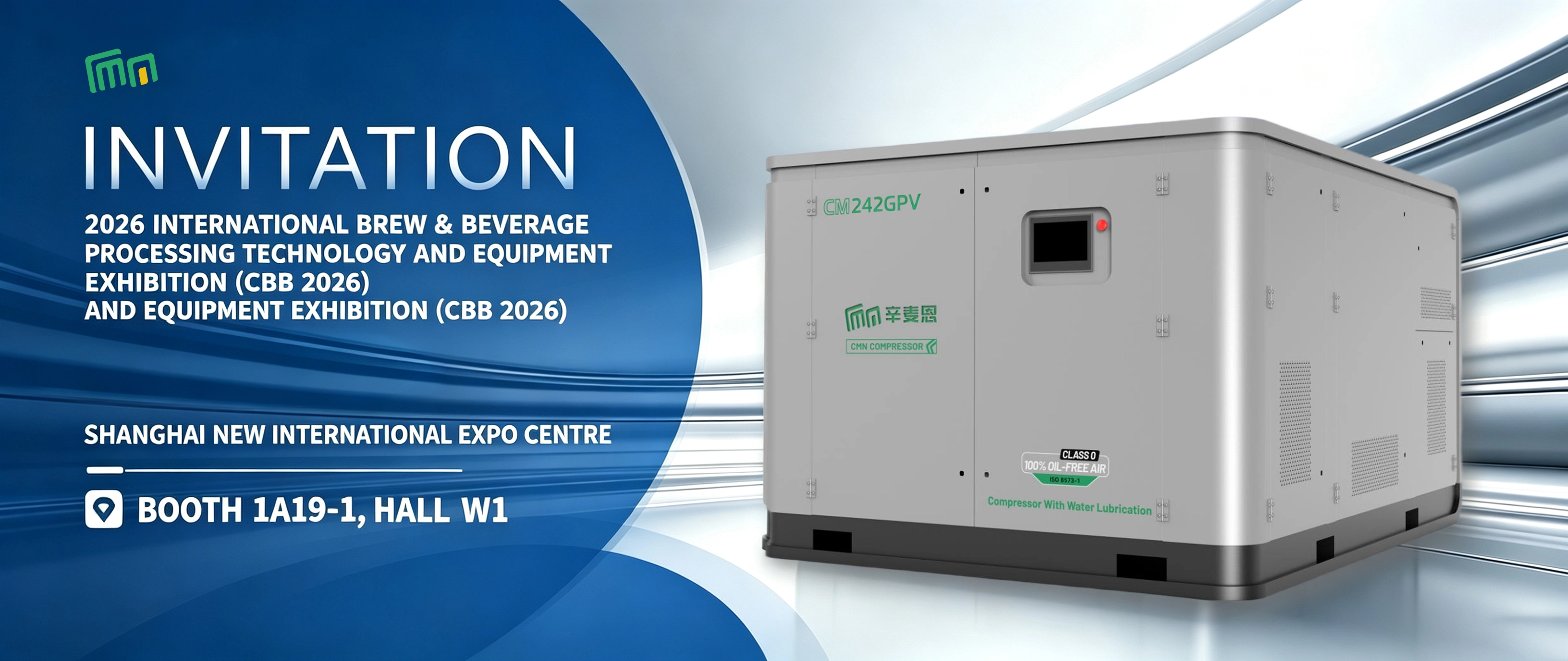

In the rapidly evolving world of industrial gas processing, Carbon Dioxide (CO2) management has moved from an afterthought to a primary operational focus. Whether for carbon capture and storage (CCS), beverage carbonation, or chemical manufacturing, the heart of any recovery system is the co2 generator compressor.
However, engineers and plant managers often face a critical decision early in the procurement process: Should you choose an oil-injected or an oil-free CO2 compressor?
This decision isn't just about initial cost. It impacts your gas purity, maintenance schedules, energy efficiency, and compliance with environmental regulations. In this comprehensive guide, we will break down the technical differences, advantages, and ideal applications for both technologies to help you make an informed choice for your facility.
(Looking for high-performance compression solutions? Explore our range of industrial CO2 generator compressors designed for maximum efficiency.)
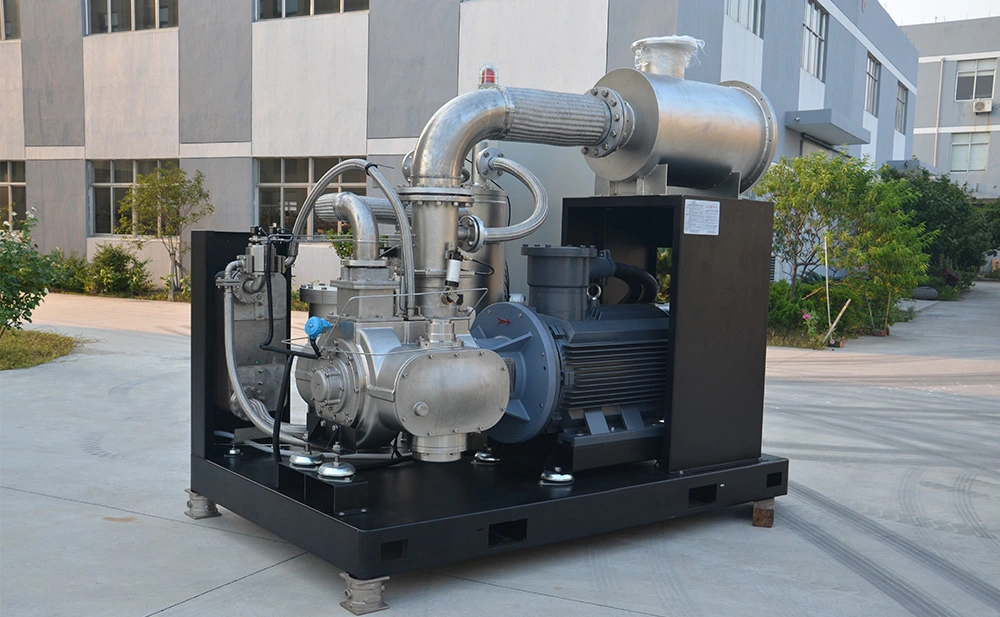
Before diving into the "Oil vs. No Oil" debate, it is essential to understand the specific demands placed on a co2 generator compressor. Unlike standard air compression, compressing CO2 presents unique thermodynamic challenges.
CO2 has a higher molecular weight than air and generates significant heat during compression. A specialized compressor must handle:
High Pressure Ratios: Often required to liquefy CO2 for storage or transport.
Moisture Management: Wet CO2 can be corrosive (forming carbonic acid), requiring robust materials like stainless steel.
Gas Purity: For food and beverage applications, the gas must be free of contaminants.
The method used to lubricate and cool the compression chamber—or the lack thereof—defines the two main categories of equipment.
Oil-injected (or oil-flooded) compressors have been the workhorse of the heavy industry for decades. In this design, oil is injected directly into the compression chamber (typically a rotary screw element).
The oil serves three primary functions:
Lubrication: It prevents metal-to-metal contact between the rotors.
Sealing: It creates a hydraulic seal between the rotors and the casing, preventing gas backflow (slippage).
Cooling: Crucially for CO2, the oil absorbs the heat generated during compression, maintaining optimal operating temperatures.
Durability: The constant lubrication reduces wear on internal components, often resulting in a longer lifespan for the screw element.
Cost-Effectiveness: Generally, oil-injected models have a lower upfront capital cost compared to dry screw or reciprocating oil-free equivalents.
Single-Stage Efficiency: The cooling effect of the oil allows for higher pressure ratios in a single stage without overheating.
The primary downside is oil carryover. Even with advanced oil separators and coalescing filters, trace amounts of oil vapor will inevitably pass downstream with the compressed CO2.
Filtration Reliance: You must rely heavily on downstream filtration systems to remove this oil. If filters fail, your entire batch of CO2 could be contaminated.
Environmental Impact: Separated oil requires disposal, adding a layer of environmental management to your operations.
Best For: Heavy industrial applications like Enhanced Oil Recovery (EOR) or non-food chemical processing where trace contamination is acceptable or easily managed.
For applications where purity is non-negotiable, the oil-free co2 generator compressor is the industry standard. In these machines, no oil is ever introduced into the compression chamber.
Instead of oil, these compressors rely on:
Precision Engineering: Extremely tight tolerances between rotors (or pistons) to minimize leakage without contact.
Special Coatings: Rotors are often coated with materials like Teflon (PTFE) or specialized anti-corrosion coatings to facilitate movement and resist CO2 corrosion.
Timing Gears: External gears synchronize the rotors so they never touch, eliminating the need for internal lubrication.
Guaranteed Purity (Class 0): The biggest benefit is risk mitigation. With no oil in the compression chamber, there is zero risk of oil contaminating the CO2 stream. This is critical for meeting ISO 8573-1 Class 0 standards.
Reduced Filtration Costs: Because there is no oil to remove, downstream filtration requirements are less complex, resulting in lower pressure drops and energy savings.
Compliance: For the food, beverage, and medical sectors, oil-free technology ensures compliance with strict health and safety regulations (FDA, EFSA).
Heat Management: Without oil to absorb heat, oil-free compressors often run hotter. They typically require multi-stage compression with intercoolers to manage temperatures effectively.
Initial Investment: The precision manufacturing required usually results in a higher upfront price tag.
Best For: Food and beverage carbonation (breweries, soft drinks), pharmaceutical manufacturing, dry ice production, and electronic manufacturing.
To help you decide which co2 generator compressor fits your specific needs, we have compared the two technologies across five critical business factors.
If your end product is for human consumption (like sparkling water or beer), oil-free is the superior choice. While filtration systems can clean oil-injected air, the risk of filter failure is a liability most food safety managers are unwilling to take.
Verdict: Oil-Free wins for Purity.
Oil-injected compressors require regular oil changes, filter replacements, and oil separator maintenance. Over 10 years, the cost of consumables and oil disposal can be significant. Oil-free compressors eliminate oil changes but may require major airend overhauls sooner than oil-flooded units due to the lack of internal lubrication. However, modern designs like those from CMN Compressor utilize advanced materials to extend these maintenance intervals significantly.
Verdict: Tie (Dependent on local labor/oil disposal costs).
Oil-injected units are inherently efficient due to the sealing and cooling properties of oil. However, oil-free units save energy on the system level. Because they don't require heavy filtration trains (which cause pressure drops), the compressor doesn't have to work as hard to push gas through the system.
Verdict: Oil-Free often wins on system efficiency.
In an era of sustainability, reducing hazardous waste is key. Oil-injected systems produce oil-laden condensate that cannot be dumped down the drain; it must be treated. Oil-free compressors produce clean condensate (mostly water), simplifying waste management.
Verdict: Oil-Free wins for Sustainability.
The trend in the co2 generator compressor market is undeniably moving toward oil-free technology. As global regulations regarding food safety and environmental protection tighten, the tolerance for risk decreases.
Furthermore, the rise of Carbon Capture, Utilization, and Storage (CCUS) technologies demands high-purity CO2. If you are capturing CO2 to sell to a third party (e.g., selling boiler flue gas to a nearby greenhouse), your buyer will demand strict purity specifications. An oil-free compressor ensures you can meet the stringent requirements of the merchant CO2 market.
Critics of oil-free technology often point to heat sensitivity. However, advanced water-cooled oil-free compressors effectively solve this. By integrating high-efficiency stainless steel intercoolers between compression stages, modern units can maintain low discharge temperatures, protecting the integrity of the CO2 and ensuring the longevity of the machine.
At CMN Compressor, our designs incorporate:
Heavy-duty bearings isolated from the compression chamber.
Stainless steel gas paths to prevent corrosion from wet CO2.
Variable Speed Drive (VSD) options to match motor speed to gas demand, reducing energy waste.
Choosing the right co2 generator compressor is a balance between your budget, your application, and your tolerance for risk.
Choose Oil-Injected if: You are in heavy industry (like petrochemicals), have a limited initial budget, and have robust downstream filtration maintenance protocols in place.
Choose Oil-Free if: You produce food/beverage products, pharmaceuticals, or high-grade dry ice, and you want to eliminate the risk of product contamination while simplifying waste management.
Ultimately, the peace of mind that comes with Class 0 purity is often worth the investment. As manufacturers strive for higher quality and sustainability, oil-free compression is becoming the gold standard for CO2 generation and recovery.
Ready to upgrade your CO2 infrastructure?Don't compromise on quality. Discover how our advanced, energy-efficient CO2 Compressor Solutions can optimize your production line today. Contact our engineering team for a custom consultation.
 sales@cmncompressor.com
  +86-15325678508
 English